
Search Shelby County Public Records
Shelby County Public Records cover court files, deeds, tax rolls, voter data, vital records, and city and county minutes. If you need a case file, a deed, or a certified copy, the right office depends on the record type. Memphis residents use the same county offices as the rest of Shelby County, so it helps to know where each kind of record lives. Some records can be searched online. Others need an in-person visit or a mailed request. This page points you to the main custodians and the best path for a clean search.
Shelby County Public Records Overview
Shelby County keeps public records in more than one place, and that is the first thing to know. The county government portal at Shelby County Government is a good starting point when you need the right office, phone number, or service path. It points you to county departments that handle records, taxes, courts, and public notices. That is useful in a county as large as Shelby, where one office does not hold every file.
The county seat is Memphis, and the records system reflects that. The Shelby County Clerk is an elected constitutional officer who keeps county commission minutes and monthly county court records. The Circuit Court Clerk keeps court files and case access tools. The Register of Deeds holds property records. Each office serves a different role, and each one answers a different kind of search. If you start with the wrong custodian, you lose time. If you start with the right one, the search is much smoother.
The record type matters as much as the name. A deed, a court file, a tax record, and a voter record each live in a different lane. That split is normal in Tennessee. It also means the public records search should begin with a record goal, not a guess. The county portal gives you the first map, and the office pages below give you the record path.
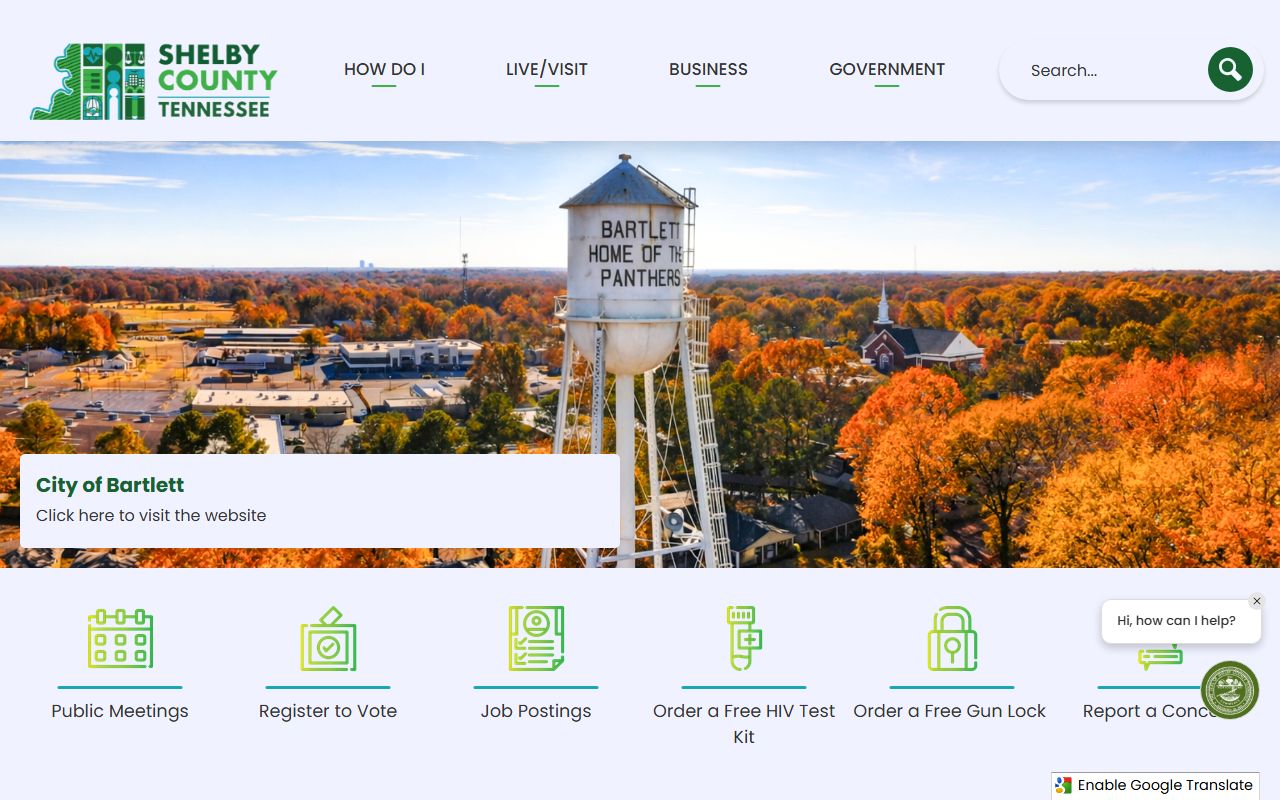
The county government page is useful when you need the broad view first. It helps you move from a general records question to the right custodian without bouncing through random pages.
Search Shelby County Public Records
A good Shelby County Public Records search starts with a name, a date range, and the record type. For court files, the Circuit Court Clerk is the best first stop. For property records, the Register of Deeds is the right lane. For county minutes or local licenses, the County Clerk is the better fit. That simple split keeps the search tight and saves time.
The County Clerk office operates six locations across Shelby County. It handles county commission minutes, official county actions, marriage licenses, business licenses, notary work, title and tag services, and passport processing. The office also serves as clerk of the Probate Court and monthly County Court. The main downtown location is in Memphis, but satellite offices make in-person access easier for residents on the edge of the county. The office hours are Monday through Friday, 8:00 AM to 4:30 PM, with some locations on different schedules.
The office page at Shelby County Clerk is worth using before you go. The clerk page confirms the office structure, the six locations, and the services each branch handles. That matters when you are trying to track a record tied to the probate court, county court, or local license work. If you need a quick lookup, the clerk page can keep you from driving to the wrong office.

The County Clerk page is one of the cleanest places to start when you need local public records help. It gives you the basics fast, and it keeps the search tied to the right office.
For court matters, the Circuit Court Clerk is the main public records gate. The office handles civil and criminal court records, case files, dockets, motions, rulings, transcripts, and verdicts. Online search is free for basic access, and online records go back to 1980. Older files need direct office contact. The clerk also accepts public records requests by mail, in person, or through the office forms. The office is open Monday through Friday from 8:00 AM to 4:30 PM.
The direct page at Shelby County Circuit Court Clerk is the best source for that search. It explains the records search tools, the office contact path, and the rule that earlier records can require more work. If you want a court record that is not online, this is the office that can still help you get there.

The circuit court page is the right lane for case files. It is also the place to confirm what is online and what still needs a clerk search.
The Register of Deeds handles the land side of Shelby County Public Records. That office records deeds, mortgages, liens, releases, powers of attorney, plats, and UCC filings. It stores more than 15 million pages and adds a large number of new records each year. Searches are free online, and the office also offers a fraud alert service for names that match future recordings. Historical records go back far enough to serve title work and old chain-of-title research.
The page at Shelby County Register of Deeds is the place to start if your search is about property, ownership, or a recorded instrument. The office page also notes that some historic records sit in its archives unit, while many newer records are fully indexed. That makes it one of the most useful public records tools in the county.
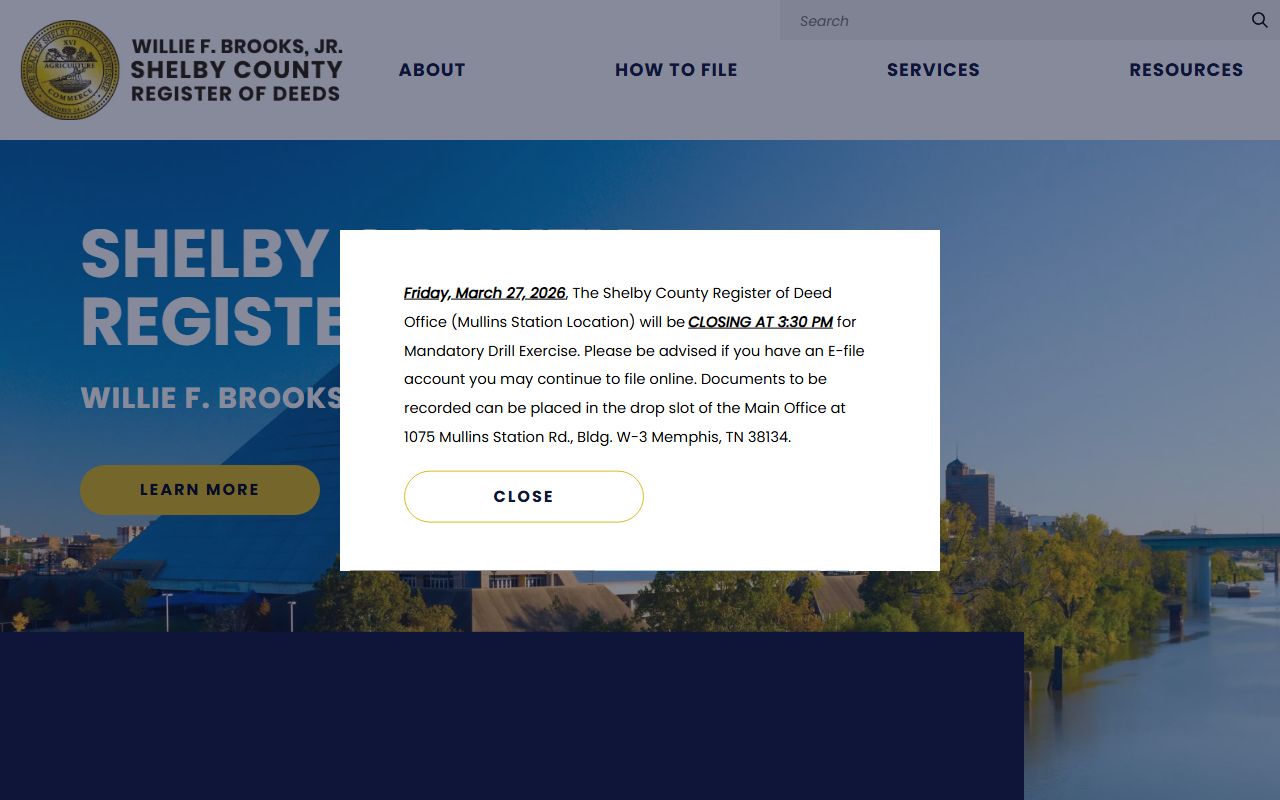
The register page is the strongest source for property records. If the file was recorded, this is where the search usually begins.
Shelby County Public Records Offices
Other Shelby County offices fill in the rest of the records picture. The Sheriff keeps records tied to law enforcement work, while the Assessor of Property manages parcel data and assessment rolls. The Trustee keeps tax records and payment history. The Health Department issues certified copies of birth, death, and marriage certificates. The Election Commission handles voter registration, election results, sample ballots, and campaign finance filings. Together, these offices cover the day-to-day records that do not belong in court or deed books.
Use the office that matches the paper you need. That sounds simple, but it prevents a lot of dead ends. A property question goes to the assessor or the Register of Deeds. A tax question goes to the Trustee. A vital record request goes to the Health Department. A voting record question goes to the Election Commission. A police record request goes to the Sheriff. When you match the record to the office, the search gets faster and the answer is better.
| Shelby County Sheriff | Handles law enforcement records, incident reports, accident reports, jail records, civil process, and warrants. Active investigation files are not open. |
|---|---|
| Shelby County Assessor of Property | Maintains parcel data, assessment rolls, property cards, GIS access, and appeal records for Shelby County properties. |
| Shelby County Trustee | Tracks tax bills, tax payments, delinquent tax work, tax sale records, and payment plans for county property taxes. |
| Shelby County Health Department | Issues certified birth, death, and marriage certificates and handles vital records requests in Memphis. |
| Shelby County Election Commission | Manages voter registration, election results, sample ballots, polling lookup, and campaign finance filings. |
Those offices are open to the public in different ways. Some give online search tools. Some require a photo ID. Some will pull copies for a set fee. The important point is that Shelby County Public Records are not held in one spot. They are spread out by law and by function, and that makes the office match part of the search.
Shelby County Public Records Copies and Fees
Fees vary by office, but the pattern is steady. Plain copies are cheaper than certified copies. The Circuit Court Clerk charges copy fees and certified copy fees on request. The Register of Deeds charges set recording and copy fees and also offers free basic online search. The Health Department charges for certified vital records. The Clerk, Trustee, and Election Commission each use their own fee rules for the work they perform. If you need a precise cost, confirm it with the office before you go.
Tennessee's public records law is the Tennessee Comptroller public records request page and the Tennessee Public Records Act, which is found in T.C.A. § 10-7-503 through T.C.A. § 10-7-509. Those sections cover the right of access, confidential records, request rules, copy charges, and fee waivers in some cases. County and municipal records also have their own access sections in T.C.A. § 10-7-121 and T.C.A. § 10-7-123. If a custodian needs more time, the TPRA gives the office a short window to respond and explain the next step.
The Comptroller page is a useful backstop when a request stalls. It explains how Tennessee asks for records, who the request coordinator is, and how to frame a clean request. That can help when you need a county file, a court copy, or a local document that is not on a public site yet. The faster you name the record, the faster the custodian can move.
Note: Shelby County offices can ask for ID, and some files may be partly redacted under state law, especially when they include personal data, sealed court material, or other protected details.
Shelby County Public Records in Memphis
Memphis is the county seat, so Shelby County Public Records and Memphis public records overlap in practice. A Memphis resident may start with the city portal, but land records, many court files, and most countywide filings still run through the county offices. That is why the county clerk, circuit court clerk, and register of deeds are all part of a Memphis search, even when the search begins with a city question.
If you are in Memphis and trying to find a record fast, think in layers. Start with the office that owns the record. Then move to the county office that stores it. If you still cannot find the file, use the state help pages and ask for the custodian in writing. That method lines up with the TPRA and keeps the search focused. It also helps you avoid vague requests that lead to delay.
Shelby County's mix of city and county records is normal for a large Tennessee metro. The county clerk handles local county records, the court clerk handles case files, the register handles property, the health department handles vital records, and the election commission handles voter data. Once you know which lane fits your record, the rest is much easier.
Note: If a record is kept by the wrong office, the staff can often point you to the correct custodian, but they do not have to build the search for you.